
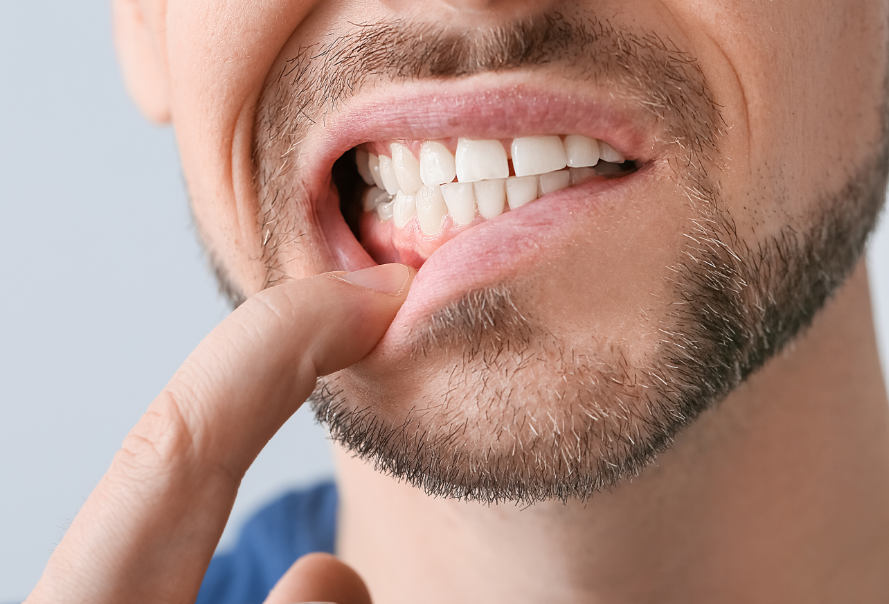
Your gums play a major role in supporting your teeth and protecting your overall oral health. When they’re healthy, they should feel firm, pink, and fit snugly around your teeth. So if you notice your gums feeling soft, puffy, or spongy, it’s something worth paying attention to.
Spongy gums aren’t just a minor irritation—they can be an early warning sign of underlying oral health issues that may worsen if left untreated.
What Healthy Gums Should Feel Like
Healthy gums are typically firm to the touch and have a consistent texture. They should not feel swollen, tender, or unusually soft. Healthy gum tissue also does not bleed easily during brushing or flossing.
When gums begin to change in texture or appearance, it’s often a sign that something is disrupting their health, such as plaque buildup, inflammation, or nutritional deficiencies.
Gum Disease as a Common Cause
One of the most common reasons gums feel soft or spongy is gum disease, also known as periodontal disease. This condition develops when plaque and bacteria accumulate along the gumline, leading to inflammation.
In the early stage, known as gingivitis, gums may become swollen, tender, and prone to bleeding. If not treated, it can progress to periodontitis, where the gums and supporting bone structure begin to break down.
As gum disease advances, the gum tissue can lose its firmness and begin to feel soft or spongy. You may also notice symptoms such as persistent bad breath, gum recession, or loose teeth.
Fortunately, early gum disease is often reversible with professional cleaning and improved oral hygiene. More advanced cases may require specialized treatment, which can be discussed with your dentist through gum disease therapy options.
Nutritional Deficiencies and Gum Health
In some cases, spongy gums may be linked to vitamin deficiencies, particularly a lack of vitamin C. Severe vitamin C deficiency can lead to a condition called scurvy, which affects the body’s ability to repair tissues, including gums.
When the body lacks proper nutrients, gum tissue can become weakened, inflamed, and more prone to bleeding. While this is less common today, it can still occur in individuals with poor diets or certain health conditions.
A balanced diet rich in fruits, vegetables, and essential nutrients supports strong, healthy gums and overall oral health.
Poor Oral Hygiene Habits
Inconsistent brushing and flossing can also lead to soft or spongy gums. When plaque is not removed regularly, it hardens into tartar, which irritates the gum tissue and triggers inflammation.
Over time, this ongoing irritation can cause the gums to lose their firmness and begin to recede. Even if symptoms are mild at first, they can progress if daily oral hygiene habits are not improved.
Brushing twice a day, flossing daily, and using an antimicrobial mouth rinse can help reduce bacteria and support healthier gums.
When to See a Dentist
If your gums feel soft, spongy, or swollen for more than a few days, it’s important to schedule a dental visit. A dentist can evaluate the health of your gums, identify the underlying cause, and recommend appropriate treatment.
Early intervention is key when it comes to gum health. Treating inflammation early can help prevent more serious issues like gum recession or tooth loss.
Restoring Healthy Gums
The good news is that gum health can often be improved with proper care. Professional cleanings remove plaque and tartar buildup that brushing alone cannot reach. Your dentist may also recommend deeper cleaning procedures if gum disease is present.
At home, maintaining consistent oral hygiene and following your dentist’s recommendations can help restore gum firmness and prevent future problems.
Healthy gums are the foundation of a healthy smile, and taking action early can make a big difference.
About the Practice
At Cromer & Cairns Dental, patients receive comprehensive periodontal and preventive care focused on maintaining healthy gums and strong teeth. Our practice offers effective gum disease treatment options tailored to each patient’s needs, from early-stage gingivitis care to advanced periodontal therapy. The experienced dental team is committed to helping patients restore gum health, prevent disease progression, and achieve long-term oral wellness in a comfortable and supportive environment.
Call us at (772) 562-5051 or schedule your appointment online.