
Gum Disease Treatment – Vero Beach, FL
Top-Notch Care for Sensitive, Bleeding Gums
Bleeding gums may not seem like an urgent issue, but it often indicates a serious bacterial infection known as gum disease. An estimated 50% of adults in the United States currently have gum disease, which can result in tooth loss if left untreated. Here at Cromer & Cairns Dental, Dr. Julie Cromer partners with Dr. Justin Schwartz, an experienced periodontist (gum expert) to deliver truly top-notch gum disease treatment in Vero Beach. If you’ve been dealing with bleeding, swelling, or tender gums, don’t hesitate to contact our dental practice!
Why Choose Cromer & Cairns Dental for Gum Disease Treatment?
- Skilled In-House Periodontist
- Gentle Dental Team That Treats Patients Like Family
- Soft Tissue Laser Makes Treatment More Comfortable
What Is Gum Disease?
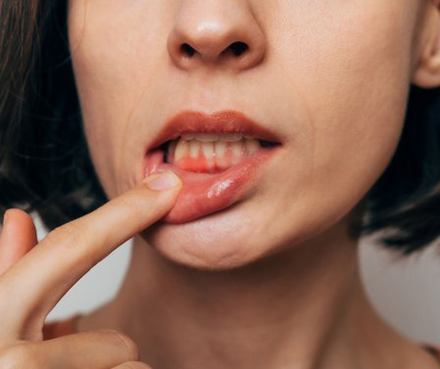
Gum disease is a common oral health issue that may seem harmless in its early stages, but it will eventually develop into a destructive and painful oral infection if it is not resolved. This illness is caused by bacteria infecting inflamed gums, and it can compromise the tissues holding the teeth in place, which can lead to tooth loss and potentially to dangerous secondary infections like sepsis. The early stage of gum disease is called gingivitis, and it can usually be reversed by improving your oral hygiene regimen. However, untreated gingivitis will eventually become periodontitis, which causes permanent damage and must be managed with regular treatments from a qualified dentist such as Dr. Cromer, Schwartz, or Hartman.
Symptoms of Gum Disease
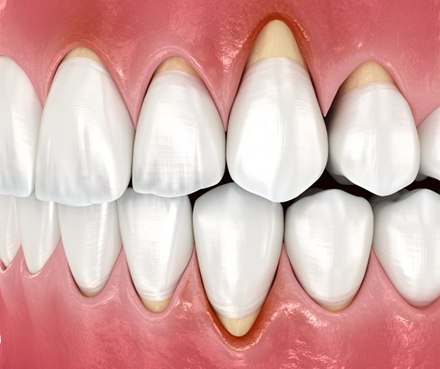
The symptoms of gum disease depend on the stage it is in. Gingivitis can show itself through signs like:
- Persistent bad breath
- Redness or swelling of the gum tissue
- Gums that bleed during brushing or flossing
- Tenderness
- Mild gum recession
Periodontitis, on the other hand, may involve symptoms like:
- Painful chewing
- Looseness of permanent teeth
- Dental sensitivity caused by advanced gum recession
- Changes in bite alignment
- Changes in how restorations like dentures and bridges fit
- Permanent tooth loss
How Do We Treat Gum Disease?

The best way to address a patient’s gum disease will depend on the severity of their case. After a thorough examination, our dentist may recommend a treatment like:
Scaling & Root Planing
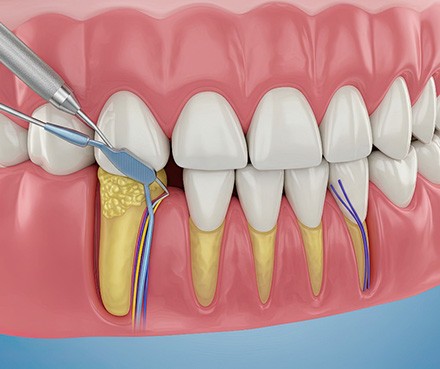
While reversing early stages of gum disease like gingivitis can often be easily achieved by improving your at-home oral hygiene routine, in more advanced cases a deep cleaning known as scaling and root planing may be necessary. With this treatment, your dentist will first remove the built-on deposits of plaque and bacteria that have accumulated above and below the gumline. Then, you’ll return for a second appointment where we’ll smooth the roots of the tooth so that healthy new gum tissue can reattach, protecting your teeth and gums from further damage.
Do I Need Scaling & Root Planing?
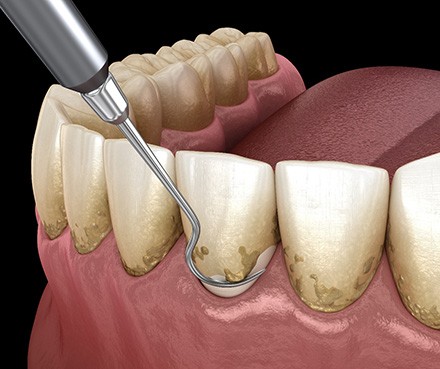
If your dentist notices signs of gum disease during your regular checkup and cleaning, such as bleeding when brushing or flossing, receding tissues or deep periodontal pockets, chronic bad breath, visible plaque buildup, or swollen or puffy gums, you may require a deeper cleaning than is offered at a standard preventive visit.
Although early stages of gum disease can often be reversed with an increased at-home oral hygiene routine, if the condition has progressed beyond what can be cared for on your own, your dentist may recommend a gum disease treatment in Vero Beach known as scaling and root planing to stop the progression of the condition and protect your teeth and gums.
The Process of Scaling & Root Planing
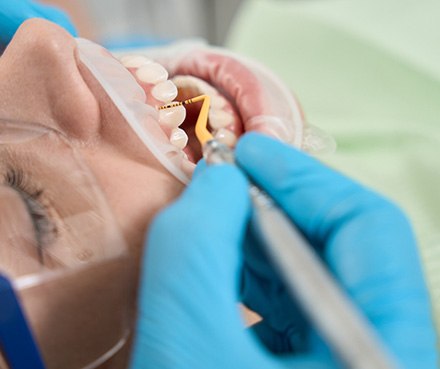
Typically, scaling and root planing takes two appointments to complete:
- On your first visit, your dental team will use a tool called a scaler to clear away all the plaque and tartar from the surface of your teeth, reaching as far down as the periodontal pockets allow.
- Then, at your second appointment, your dentist will remove the hardened bacterial deposits on the roots of your teeth that are hidden below the gumline. This will help prevent further infection by prohibiting oral bacteria from re-colonizing in your gum tissue.
Aftercare Tips for Scaling & Root Planing
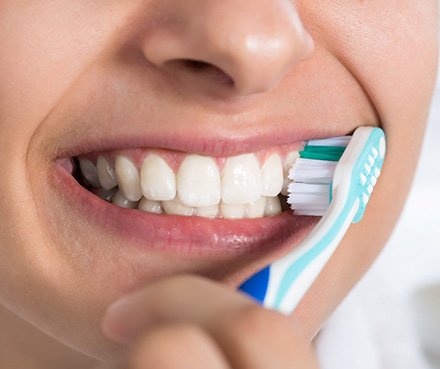
Because scaling and root planing can be an intensive treatment, it is typically done in two appointments spaced a few weeks apart. This allows your teeth and gums time to recover. During this period, you may experience increased sensitivity and discomfort as a natural part of the healing process. Some general aftercare tips for this procedure include:
- Rinse your gums with warm saltwater after each meal to help prevent irritation and loosen food and debris from around your teeth. This will make brushing and flossing easier, too. Saltwater can be made using ¼ teaspoon of salt for each eight ounces of water.
- Be very careful when brushing your teeth after treatment and use a soft-bristled toothbrush to reduce the risk of irritation and bleeding. Instead of brushing back and forth, use small circular motions and move very slowly.
- Because your teeth and gums can be sensitive to certain foods and beverages after treatment, avoid anything too hot or spicy, as well as acidic or alcoholic beverages, which can cause inflammation and irritation. Never smoke or chew tobacco.
- Be sure to eat a soft diet for the first 48 hours after treatment.
- Avoid any strenuous physical activity directly after your procedure to avoid prolonging the healing process.
Arestin Antibiotic Treatment

Arestin is an antibiotic powder that is applied directly into the gingival pockets of the gums following root scaling and planing treatment. The powder is comprised of tiny microbeads which release the antibiotic minocycline over time. This helps kill the harmful oral bacteria in your mouth as your gums heal and prevents new generations of them from accumulating.
How Does Arestin Antibiotic Treatment Work?
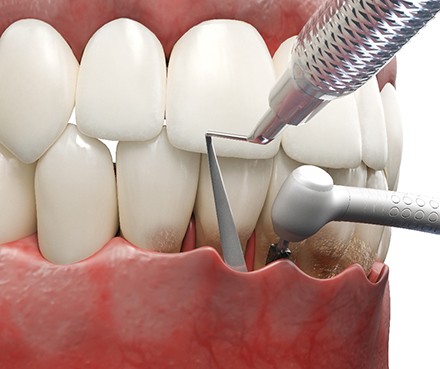
Arestin powder is applied by your dentist directly to the gingival pockets of your gums following your root scaling and planing procedure. It contains tens of thousands of microbeads of the antibiotic minocycline, which is used to not only kill the existing the oral bacteria in your mouth that are responsible for gum disease, but to prevent future generations from colonizing as well.
Once your scaling and root planing procedure is complete, your dentist will carefully insert a tiny Arestin cartridge into the gingival pockets to dispense the antibiotic. Treatment takes just minutes, is completely painless, and requires no local anesthesia or numbing. Once complete, the powder will remain in your gums where it slowly releases minocycline over the next 10 days.
What Can I Expect from Arestin Antibiotic Treatment?

Arestin treatment in Vero Beach is typically provided following the completion of a scaling and root planing procedure for the purpose of killing dangerous oral bacteria in the gingival pockets. The delivery of Arestin takes just a few minutes, and is completely painless, requiring no numbing or anesthesia. Once in place, the microbeads of minocycline will burst over time, helping to reduce the depth of the gingival pockets while eliminating harmful bacteria and preventing reinfection.
Following antibiotic therapy in Vero Beach, you should not brush your teeth for at least 12 hours, and avoid eating foods that are hard, sticky, or crunchy for the next 10 days. Do not floss your teeth for the next 10 days, or until your dentist has given you the green light, as this can remove the Arestin before it has a chance to work its magic!
The Benefits of Arestin Antibiotic Treatment

Research has shown that Arestin therapy in Vero Beach can improve the effectiveness of scaling and root planing. In fact, in one study patients experienced a 32% improvement in the reduction of the depth of their gingival pockets, and those who combined Arestin with deep cleaning experienced a 100% improvement in their results over scaling and root planing alone!
Laser Periodontal Treatment
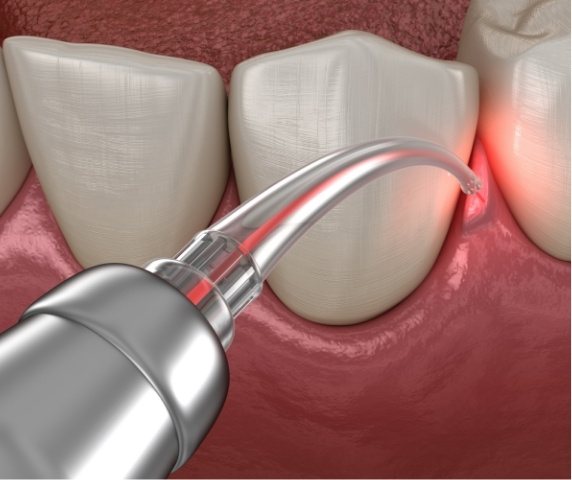
Thanks to a state-of-the-art soft tissue laser, our dental team can treat diseased gums with much greater precision and comfort than ever before. We can aim this focused beam of light at only the damaged tissue while preserving the healthy gum structure. Additionally, the laser provides nearly instant sterilization and cauterization, which drastically reduce the bleeding, swelling, and general discomfort experienced after gum disease treatment.
How Laser Periodontal Treatment Works
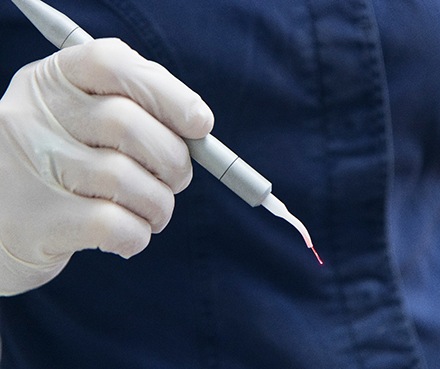
The use of a soft tissue laser is not typically a standalone gum disease treatment in our Vero Beach office. Rather, we often use it in conjunction with other therapies, such as scaling and root planing and/or antibiotics.
The laser is a highly focused beam of light that we can use to remove diseased tissue and sanitize the pockets between the teeth and gums. It significantly reduces the presence of harmful bacteria and allows the gums a chance to heal and reattach to the tooth roots. It can also make scaling and root planing more effective, since it reduces the depth of the periodontal pockets.
The Benefits of Laser Periodontal Treatment

Laser periodontal treatment comes with an impressive array of benefits:
- Comfortable treatment: You can expect a gentle experience because the laser treats your gums without a scalpel. In fact, the laser process often requires very little anesthesia because it is naturally so comfortable.
- Less bleeding and swelling: The laser cauterizes as it works, so it minimizes bleeding and other uncomfortable side effects.
- Precise tissue removal: We can target diseased areas while preserving more of your healthy gums.
- Cleaner periodontal pockets: The laser helps reduce harmful bacteria around your teeth and can effectively help to get gum disease under control. It also lowers the risk of post-treatment reinfection.
- Faster healing: The laser’s minimally invasive nature leads to a faster healing time than what is normal with scalpel-based procedures.
Aftercare Tips for Laser Periodontal Treatment

Most patients feel normal within a week or two of their laser periodontal treatment (compared to 2 – 4 weeks of recovery after traditional gum surgeries).
As you heal, you may notice that your gums are extra sensitive or slightly swollen. Over-the-counter medications can help you manage any discomfort. You should also be gentle during your oral hygiene routine and make wise food choices. For example, it would be best to avoid hot foods, spicy foods, and anything that is hard or crunchy.
Our team will schedule follow-up appointments with you, and it is important that you attend them so we can monitor your progress and help you manage your gum disease on a long-term basis.