
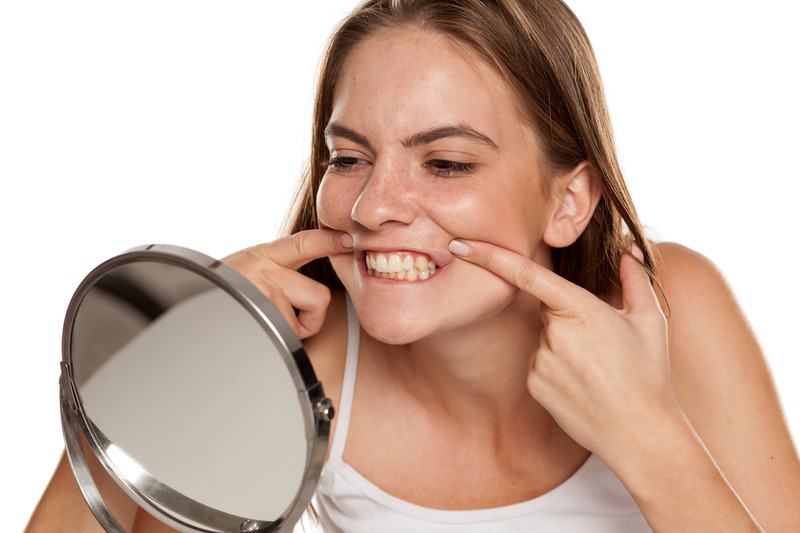
Type “how to whiten teeth at home” into any search engine and you’ll find dozens of “creative” suggestions. From lemon juice to Magic Erasers—the internet has plenty of ideas. But before you reach under your sink or head to the grocery store, it’s worth knowing the risks. Keep reading to learn about some of these hacks and see why professional teeth whitening is still your safest bet.
Lemon Juice and Baking Soda
This one shows up constantly online because it fits the mold of “low effort” and “all natural” at the same time. The idea is to mix lemon juice and baking soda into a paste that you then brush your teeth with. However, while acid and abrasives will affect your tooth color, it won’t happen in the way you want.
Combined, these chemicals will erode your tooth enamel—the protective outer layer of your teeth. Once it’s gone, it doesn’t grow back, and over time you may experience increased sensitivity and a higher risk of cavities.
Activated Charcoal
Activated charcoal looks great on social media—black foam that leaves a smile brilliantly white after a rinse. However, expectations rarely meet reality. Like baking soda, charcoal is abrasive, so scrubbing it across your teeth regularly wears them down.
The American Dental Association, which is the most authoritative organization for dental health and consumer safety, has not approved any charcoal-based dental products. So, next time you see one of these products, know that it’s risky.
Hydrogen Peroxide Straight from the Bottle
Professional whitening treatments do use hydrogen peroxide—but it’s a carefully controlled concentration. Using a bottle from the drugstore directly on your smile, especially repeatedly, can cause increased sensitivity and damage your enamel and gums.
The concentration and application method are extremely important when it comes to whitening. Without professional guidance, it’s easy to overdo it.
Magic Erasers
This one has been trending on TikTok, and dentists across the country have been sounding the alarm. The idea is that rubbing a Magic Eraser across your teeth removes stains. And technically, it does, but it’s more like removing paint from a wall than stains from your teeth.
Magic Erasers are made from melamine foam, which is made of countless tiny sharp points that are activated by water. This makes them extremely effective at scrubbing stains off hard surfaces like steel or plastic. However, your enamel isn’t steel or plastic, and once it’s gone, that damage is irreversible.
A whiter smile is a great goal, but there are no shortcuts worth taking. If you’re unhappy with the color of your teeth, have a conversation with your dentist. They can find what’s causing the stains and recommend a treatment that works without putting your smile at risk.
About The Practice
At Cromer & Cairns Dental, our team offers professional take-home whitening with Zoom! You’ll get custom-fit trays and professional-grade gel for results that are both safe and effective. If you’re ready for a brighter smile, call us at (772) 562-5051 to schedule a teeth whitening consultation today.